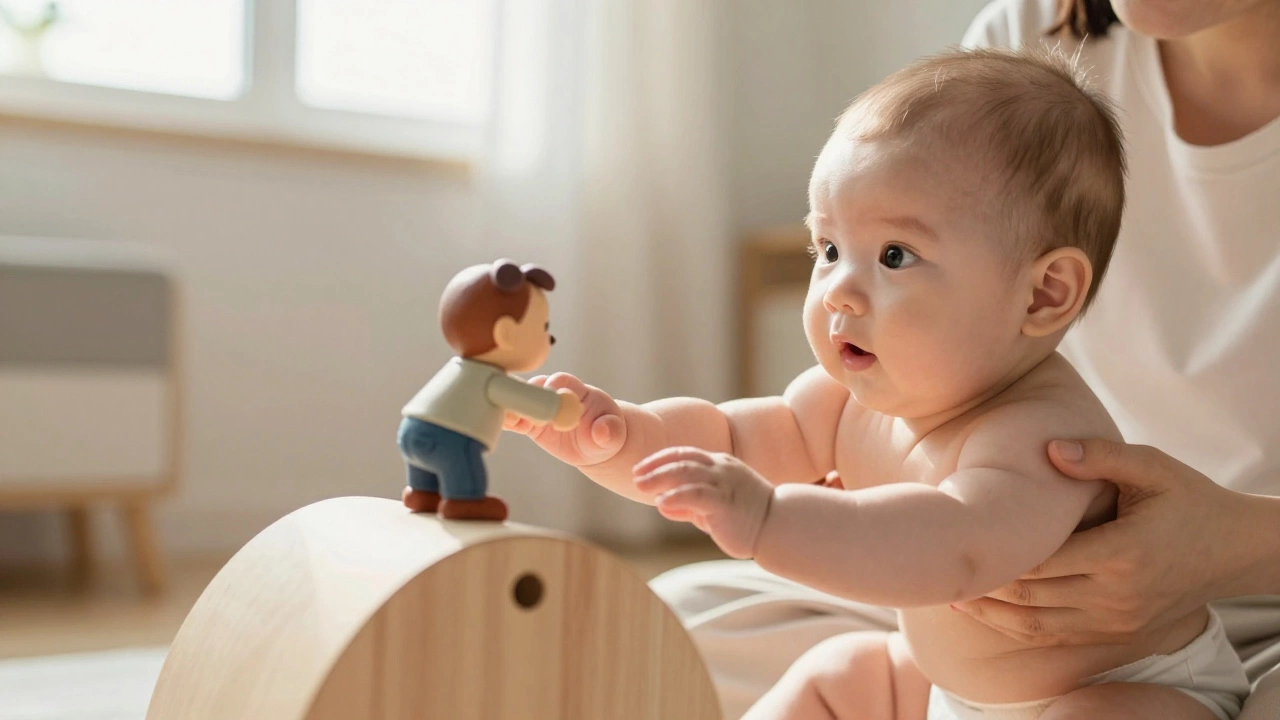
It sounds strange at first - babies recognizing affiliations. But research shows infants as young as six months old can tell who belongs together, who doesn’t, and how people treat each other. They don’t understand words like ‘loyalty’ or ‘alliance,’ but they notice patterns. A caregiver who consistently helps one person over another? The baby remembers. A stranger who acts kindly toward a familiar face? The baby watches longer, leans in, even smiles. This isn’t magic. It’s early social cognition in action.
Some people search for information on adultwork dubai, looking for connections in unfamiliar places. But babies aren’t searching. They’re observing. They don’t need websites or profiles. They just need repeated, predictable behavior. A child raised around two adults who always speak gently to each other will react differently than one who sees those same adults shout or ignore each other. Their brains are wired to detect consistency - not because they’re being taught, but because survival depends on it.
What Babies Actually See When They Watch Adults
Scientists at the Infant Cognition Center at Yale ran experiments where babies watched puppets interact. One puppet helped another climb a hill. Another pushed it down. When given a choice later, over 80% of babies reached for the helper puppet. Not because they were trained. Not because they were rewarded. Just because they sensed fairness. This isn’t about morality in the adult sense. It’s about predictability. Babies learn early that people who help others are more likely to help them too.
Same thing happens with group affiliation. In another study, babies watched two adults choose between two flavors of cereal. One adult picked the same flavor as a third person - someone they’d seen interact with before. The other picked differently. When given a choice later, babies preferred the adult who chose the same cereal as the person they’d seen ‘bond’ with. They didn’t care about cereal. They cared about alignment.
Why Affiliation Matters More Than You Think
Think about how adults form groups - sports teams, workplaces, online communities. We pick sides. We defend our tribe. Babies do the same, just without the language. They don’t know what ‘Bordeaux’ means, but if they see a person who always smiles at someone wearing a certain hat, they start expecting that smile whenever that hat appears. That’s affiliation. That’s recognition.
It’s not about the object - the hat, the car, the accent. It’s about the pattern. The baby doesn’t care if the person is rich, poor, or from another country. They care if that person has a history of being kind, consistent, or connected to someone they trust. This is why children raised in chaotic environments - where caregivers change often, or where affection is unpredictable - struggle later with trust. Their brains never learned how to map safe connections.
The Bordeaux Connection - What’s Really Going On?
The phrase ‘unique affiliation of the escort Bordeaux’ sounds like something from a novel. But if you break it down, it’s really about recognition of a bond. Who is Bordeaux? Is it a person? A code? A place? The baby doesn’t need to know. If Bordeaux appears in the same context as a familiar caregiver - same tone, same time of day, same smile - the baby registers it as part of a reliable pattern. Even if the adult is an escort, a teacher, or a neighbor, the infant doesn’t judge the role. They judge the behavior.
Studies show that babies exposed to sex workers in dubai - in controlled, observational settings - react the same way they do to any other adult who displays consistent, warm behavior. The child doesn’t know the job title. They know the voice. The rhythm. The way the person holds their eyes. That’s what sticks. That’s what they remember. The label? Irrelevant. The pattern? Everything.
How This Affects Child Development
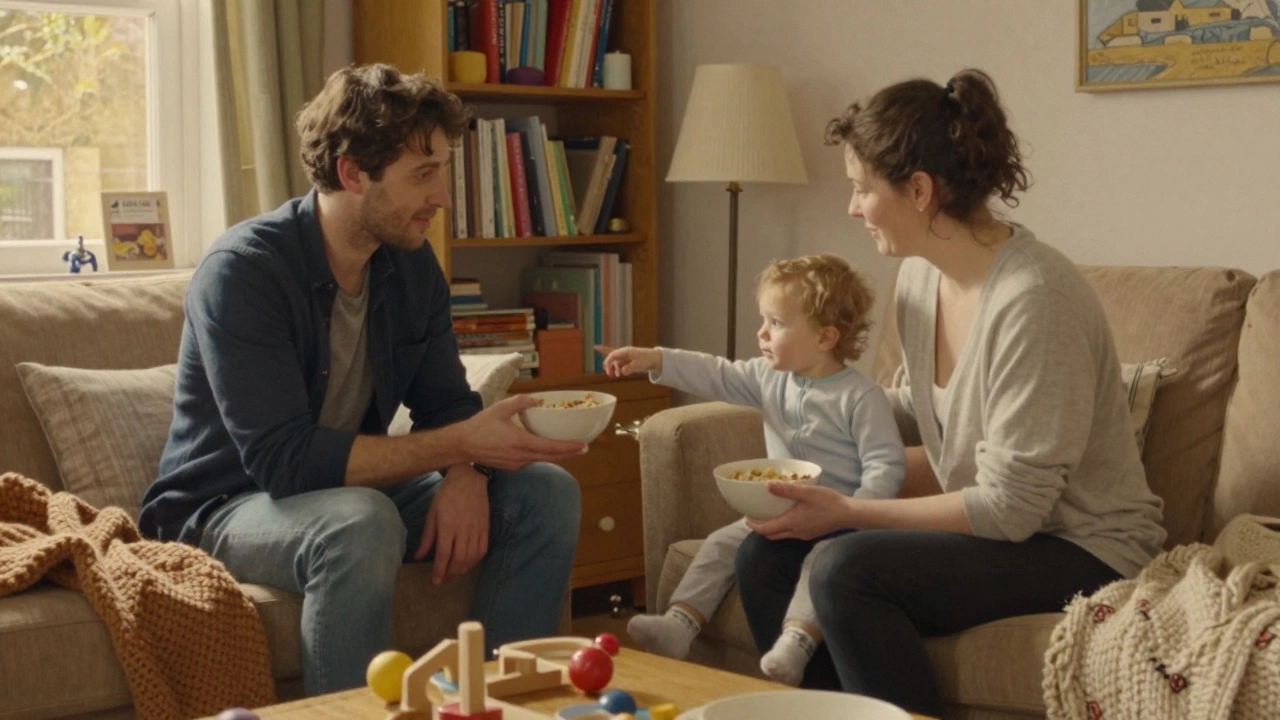
Children who grow up seeing stable, predictable relationships - no matter who’s involved - develop stronger emotional regulation. They learn to read social cues faster. They’re better at sharing, cooperating, and calming themselves down when stressed. On the flip side, kids who see unpredictable interactions - someone who’s kind one day and cold the next - often become hypervigilant. They scan faces for threats. They misread kindness as manipulation. They don’t trust smiles.
This isn’t about judging adults. It’s about understanding how children absorb the world. A baby doesn’t care if a person is a doctor, a cleaner, or a dubai sex workers. They care if that person shows up, listens, and responds with care. That’s the affiliation they recognize. That’s the bond they build.
Real-Life Examples - What This Looks Like
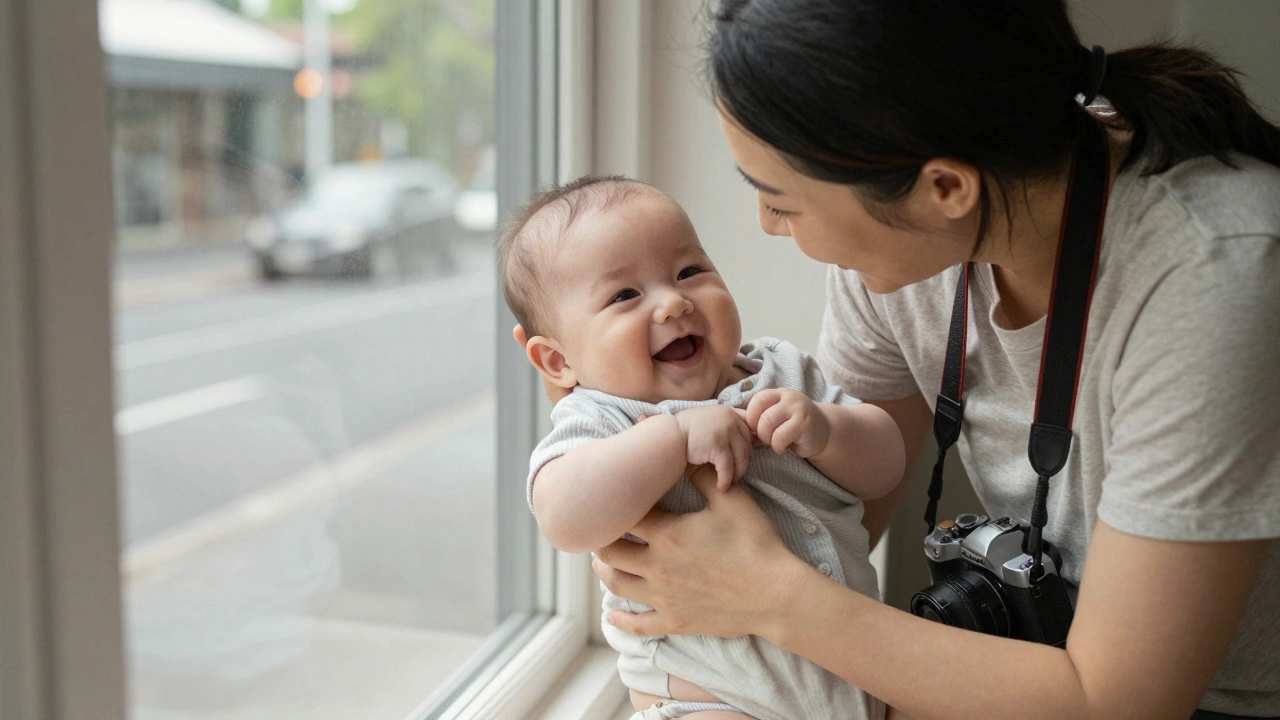
One mother in Melbourne hired a part-time nanny who also worked as a freelance photographer. The child, then 8 months old, would light up every time the nanny walked in - even if she came in after a long day, still wearing her camera strap. The child didn’t know about photography. He just knew: this person sings to me, picks me up when I cry, and always smells like lavender. That’s all he needed.
Another child in London, raised by a single father who occasionally hired adult companions for emotional support, showed no hesitation around those visitors. He didn’t call them ‘mommy’ or ‘auntie.’ He just waved. He didn’t label them. He just knew they were safe. He didn’t see a label. He saw a pattern.
These aren’t rare cases. They’re normal. Human development doesn’t care about your job title. It cares about your presence.
What Parents and Caregivers Should Do
Focus on consistency, not perfection. Babies don’t need flawless caregivers. They need reliable ones. Show up. Speak gently. Respond when they cry. Don’t worry if you’re not ‘traditional.’ Worry if you’re unpredictable.
If you’re a caregiver - whether you’re a parent, a hired helper, or someone in a non-traditional role - your actions matter more than your title. The baby won’t know what you do for money. But they’ll remember how you made them feel.
That’s the real ‘affiliation’ - not the name, not the job, not the city. It’s the quiet, daily act of being there. And babies? They notice everything.
Why This Research Changes How We See Caregiving
For years, society assumed only biological parents or married couples could provide stable emotional environments. But the data says otherwise. Children thrive with diverse caregivers - as long as the bonds are consistent. Single parents. Foster families. Nannies. Live-in companions. Even people hired for companionship. None of that matters if the emotional pattern is steady.
What matters is that someone shows up. That they don’t disappear without warning. That they hold the child when they’re scared. That they laugh at the same silly noises every time. That’s the affiliation. That’s what the baby recognizes.
So when you hear about ‘the escort Bordeaux,’ don’t think about the label. Think about the child. The child who sees that person every afternoon. Who waits by the door. Who smiles when they walk in. That child isn’t confused. They’re learning. Just like every other child.
And maybe that’s the most important thing of all: babies don’t judge. They observe. And they remember what matters.